Grosgrain vs Petersham Ribbon: Key Differences Explained
Grosgrain and Petersham ribbons look similar at first glance — both have a distinctive ribbed texture and a matte finish. However, they differ in edge construction, flexibility and ideal uses. Understanding these differences helps you choose the right ribbon for sewing, millinery, garment trims or crafts.
Here’s a clear breakdown of how they compare.
Construction and Edges
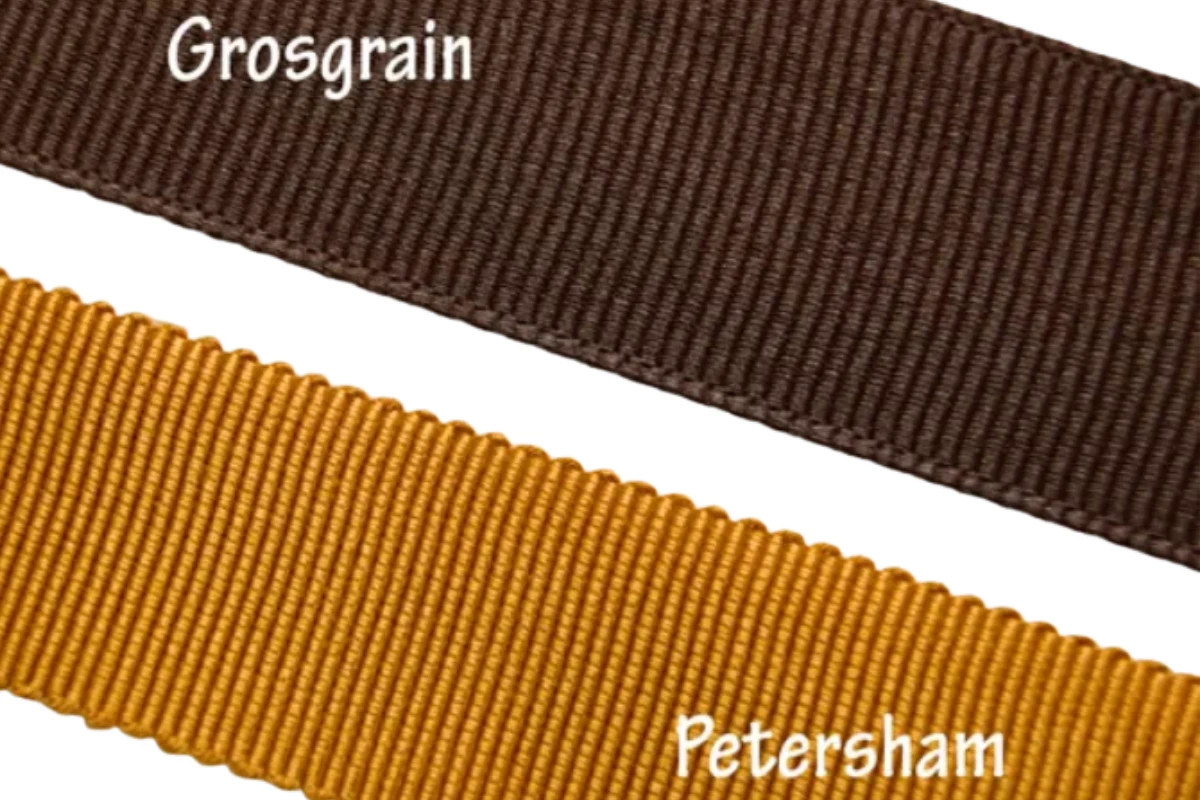
Grosgrain ribbon is woven with prominent transverse ribs (raised lines running across the width). It has straight, sealed or tightly woven edges. The heavier weft yarns create a firm, structured ribbon that holds its shape well.
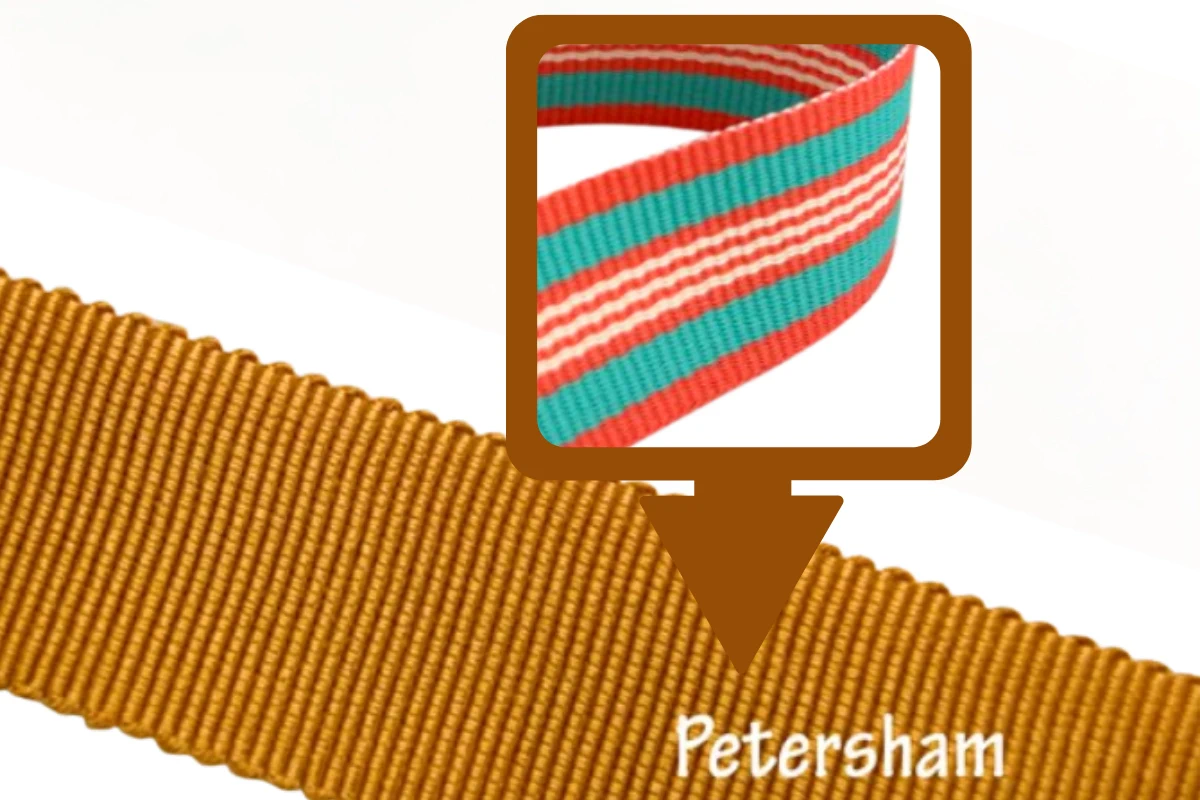
Petersham ribbon also features a ribbed weave, but its defining feature is the scalloped (wavy or picot-style) edge along both sides. These scalloped edges are woven as part of the ribbon rather than cut or sealed afterwards. This construction gives Petersham greater flexibility and allows it to be shaped more easily.
Local vs International Petersham
Internationally woven Petersham typically features a more pronounced, open scalloped edge. In contrast, the version woven in South Africa uses a tighter weave while retaining the same characteristic looped structure. This tighter construction produces a smoother, more refined edge on both sides, yet it still delivers the essential Petersham qualities — flexibility, the ability to be shaped and steamed around curves, and resistance to puckering.
Appearance
- Grosgrain has a crisp, slightly sporty or casual look thanks to its straight edges and pronounced ribs. It appears more structured and is often chosen for a clean, tailored finish. Grosgrain in South Africa is mainly an imported product and not locally woven.
- Petersham looks softer and more elegant. The gentle scalloped edges create a flowing appearance and can be pressed or steamed into smooth curves without puckering.
Flexibility and Handling
This is where the biggest practical difference lies:
- Petersham is more flexible and drapable. It can be gently stretched, steamed or moulded to follow curves (similar to bias tape). This makes it ideal for projects that need the ribbon to bend smoothly around shapes.
- Grosgrain is stiffer and more rigid. It resists curving and is better suited to straight applications where stability and structure are important.
Best Uses
Choose Petersham ribbon for:
- Millinery and hat making (especially brim binding and curved hatbands)
- Garment construction (waistbands, curved trims, binding on stays or collars)

- Projects that require the ribbon to follow a shape without wrinkling
- Elegant decorative trims that need a soft, shaped finish
Choose Grosgrain ribbon for:
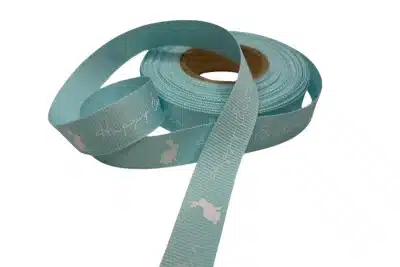
- Hair accessories, bows and structured decorations
- Belts, key fobs and reinforcement in sewing
- Straight-edge trims, waistbands that need firmness
- Crafts and packaging where a sturdy, ribbed look is preferred
Side-by-Side Comparison
|
Feature
|
Grosgrain Ribbon
|
Petersham Ribbon
|
|---|---|---|
|
Edges
|
Straight / sealed
|
Scalloped (wavy)
|
|
Texture
|
Pronounced ribs, firmer
|
Ribbed but more flexible
|
|
Flexibility
|
Stiffer, holds shape
|
Soft, can be shaped and curved
|
|
Appearance
|
Crisp, structured, casual-sporty
|
Softer, elegant, flowing
|
|
Best for
|
Straight trims, bows, reinforcement
|
Curves, hats, shaped garment trims
|
|
Shaping ability
|
Limited (may pucker on curves)
|
Excellent (steams and moulds well)
|
Summary
Both ribbons share a ribbed construction, but the scalloped edges and greater flexibility of Petersham make it the preferred choice when the ribbon needs to follow a curve. Grosgrain offers more structure and is better for straight, stable applications. At Ribbon Place we stock a variety of Petersham ribbons suitable for sewing, millinery and garment work.
Ready to get your order started?
View our Petersham ribbon range here .
Looking for other specialty ribbons?
Explore our full range of grosgrain, satin and decorative options with nationwide delivery across South Africa.